Relocating to Omaha Neighborhoods: A Practical Fit Guide
January 15, 2026
January 15, 2026
Moving to Omaha and not sure where to start your neighborhood search? When you are balancing a new job, a moving timeline, and a budget, it is easy to default to the first area someone suggests. You deserve a clearer path. This practical framework helps you test commute times, match home styles to your lifestyle, check total costs, and choose a short list with confidence. Let’s dive in.
Start by listing 3 to 5 candidate areas that fit your broad goals. Think in terms of vibe and housing type: central urban with mixed-use living, established close-in residential with older homes, or newer subdivisions in west and southwest Omaha including Elkhorn. Then work through the sections below and score each area on commute, price fit, home style, outdoor access, amenities, and risk.
Begin with a quick screen using online maps and the links provided here. Next, validate the commute in real time during peak hours. Finally, narrow to 1 or 2 finalists and tour representative homes to confirm fit and total cost. The checklists later in this guide make each step simple.
Your commute will shape your days and your tradeoffs. Omaha’s network includes I‑80, I‑680, I‑480, US‑75, and US‑6/Dodge Street that connect downtown, major medical centers, and corporate campuses. Use mapping tools to time both morning and evening peaks, not just mid-day. If your role is flexible, also check off-peak patterns for errands and school drop-offs.
Before you lock in an area, review any planned or active road work that could add time to your route. You can scan NDOT project updates to see major highway work that affects regional travel.
Bus service is Omaha’s primary public transit. If you plan to use transit part-time or full-time, review Metro Transit route maps and schedules and test a full door-to-door trip. Include walking time, transfers, and wait times. If you will park downtown, factor in parking costs and the additional walk from the garage to your building.
If you travel often, include Eppley Airfield access in your scoring. Check the typical drive time from each candidate neighborhood during early morning and evening periods. If you rely on ride-hailing, compare pickup reliability in your time window.
Many neighborhoods connect to multi-use trails and sidewalks that make short trips or weekend rides easy. Explore the City of Omaha Parks and Recreation maps to see trail corridors and parks near your short list. If a bike commute is part of your plan, ride the route once on a weekday to check intersections and lighting.
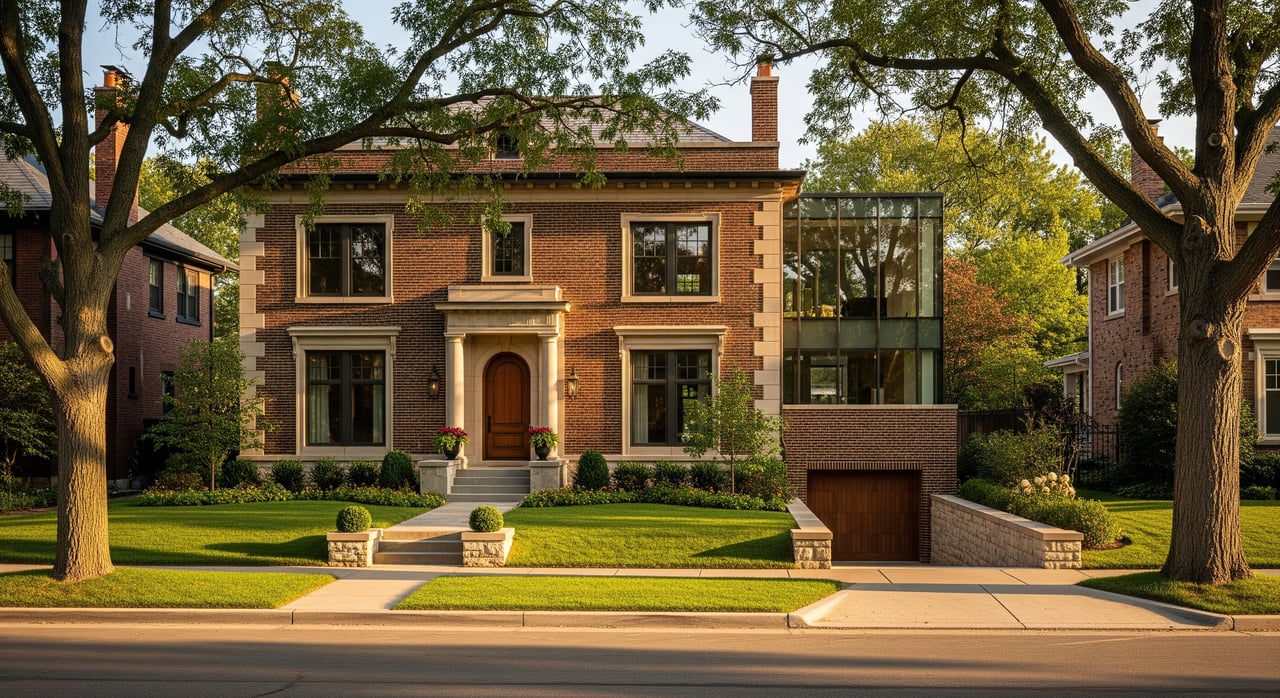
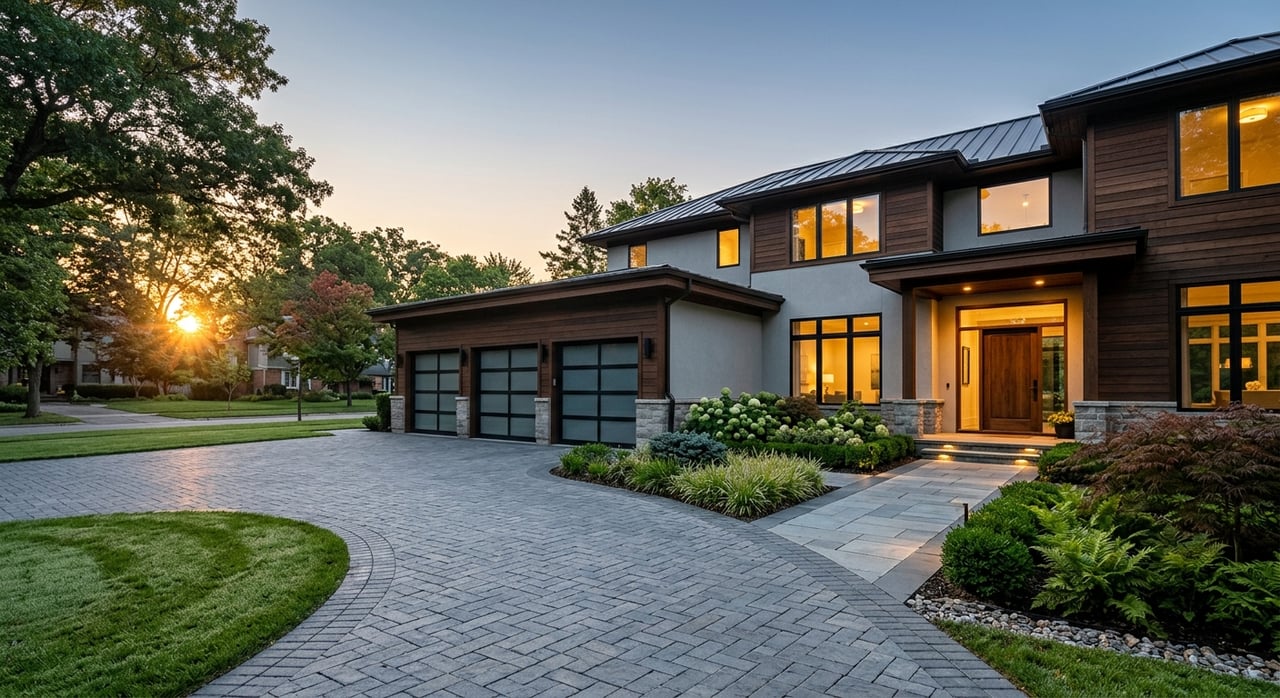
Omaha offers a mix of historic single-family homes, mid-century designs, downtown/Old Market-style lofts and condos, and newer construction in west and southwest communities such as Elkhorn. Older neighborhoods often feature smaller lots, mature trees, and walkable business districts. Newer subdivisions typically offer larger lots, attached garages, and modern systems.
When you evaluate a home, ask for the age of key components like the roof, HVAC, electrical panel, and windows. Older properties may need foundation monitoring or insulation upgrades. Newer homes can reduce immediate maintenance, though they may come with HOA fees or special assessments. If you are torn between old and new, ask your agent for video walk-throughs of mechanical rooms and exteriors to compare maintenance needs.
If you value daily exercise, dog walks, or playgrounds, map the nearest park by name and distance for each area. The City of Omaha Parks and Recreation site shows park amenities and trail connections. Note whether there are sidewalks and safe crossings from your likely home streets to the park entrance.
For weekend plans, consider larger regional areas within a short drive. Trails along the riverfront and multi-use paths link many parts of the city. For state-level options, the Nebraska Game and Parks directory lists lakes, trails, fishing, and other amenities that can anchor your time off.
Purchase price is only one part of affordability. Check recent tax history on any property you are serious about, and review how Douglas County assesses parcels. The county assessor and treasurer provide parcel lookups with current and historical bills. If you are comparing similar homes across multiple neighborhoods, factor property taxes into your monthly estimate.
Confirm if a home is in or near a flood zone. Use the FEMA Flood Map Service Center to review the property’s flood designation and whether flood insurance may be required. Even if a home is outside a mapped zone, get a quote for peace of mind, especially near waterways or low-lying areas.
Electric service is provided by the Omaha Public Power District. Water and natural gas are typically served by the Metropolitan Utilities District. Ask for typical monthly costs from the current owner or obtain average-use estimates from the providers. If you are considering new construction, ask the builder about any connection fees or special assessments.
Newer subdivisions and condos often have HOAs that cover common areas, snow removal, or exterior maintenance. Request the full HOA packet, CC&Rs, and recent meeting minutes to understand rules and budgets. For condos and townhomes, ask for the most recent reserve study if available.
Think about day-to-day errands and services. Central and established neighborhoods often cluster restaurants, cafes, and retail along historic corridors that may be walkable. Suburban areas usually place larger-format retail and grocery stores along main arterials, which means you will drive more but often have ample parking. If healthcare access is a priority, note the drive time to urgent care and your preferred clinics. If you depend on childcare or eldercare, include their addresses in your commute tests to capture realistic travel time.
To understand where people live versus work across the region, explore the U.S. Census OnTheMap commuter flow tool. It can help you visualize cross-commuting patterns that might influence your routes.
Before you plan renovations or outdoor projects, verify zoning and any overlay districts that may govern design, setbacks, or historic review. The City of Omaha Planning Department provides zoning maps, capital project information, and permit records. This is also where you can learn about upcoming public works that might change traffic patterns or improve access.
For environmental risk, pair your FEMA flood review with a local floodplain layer if available, then discuss insurance implications with your agent and insurance provider. If a property sits near a construction corridor, check city capital projects and NDOT updates to anticipate temporary changes to access and noise.
Use this simple matrix to compare 3 to 5 neighborhoods. Score each category from 1 to 5, then multiply by the weight to get a weighted score. Add the weighted scores to get a total out of 100.
| Category | Weight | Your Score (1–5) | Weighted Score |
|---|---|---|---|
| Commute convenience | 30% | ||
| Price fit | 25% | ||
| Home style match | 15% | ||
| Outdoor access | 15% | ||
| Walkability and amenities | 10% | ||
| Risk exposure | 5% |
Tip: If two areas tie, use a tiebreaker such as door-to-door airport time or the quality of your daily routes during winter conditions.
A move goes smoother when you have a trusted advisor who understands the tradeoffs between older, close-in streets and newer west-side subdivisions, who can flag floodplain questions early, and who knows where new construction is coming online. Our team pairs principal-level attention with responsive support so you can evaluate options quickly and confidently. If you are relocating on a tight timeline, we can structure a focused tour, coordinate virtual walk-throughs, and help you compare total cost of ownership across your finalists.
Ready to explore neighborhoods that fit your commute, budget, and weekends? Connect with the Ralph Marasco Real Estate Group to plan a curated tour, see private opportunities, or get your free home valuation.




When you list your home with Nico, you get Omaha’s top real estate agent working for you. No giant team to hide behind. You hire Nico, you get Nico!
RALPH MARASCO REAL ESTATE GROUP
Nico Marasco
331 Village Pointe Plz
Omaha NE 68118