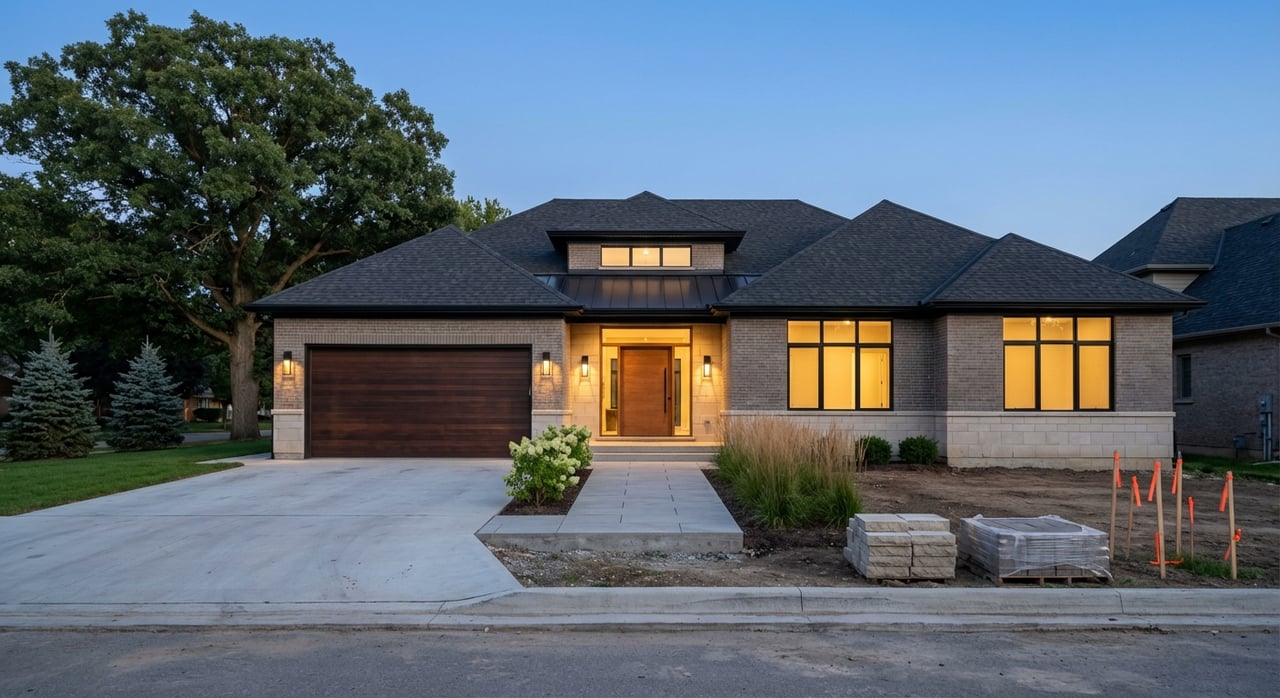
How to Build a Custom Home in Indian Creek Preserve
February 19, 2026
February 19, 2026
Dreaming about a near-acre homesite with room to breathe and quick access to the course? If you are eyeing Indian Creek Preserve in Elkhorn, you are in good company. The community pairs estate-sized lots with custom builders and city utilities, which can make your build feel both elevated and practical. This guide walks you through how to choose the right lot, assemble the team, finance the build, and avoid common surprises. Let’s dive in.
Indian Creek Preserve sits by 195th–196th and Fort Street in the Elkhorn area of Douglas County, immediately adjacent to Indian Creek Golf Course. The development is marketed as 33 estate lots, each approaching roughly one acre. You can review the official plat map and current contacts on the community’s site to get a feel for orientation, setbacks, and availability updates (official plat and contacts).
Community marketing names two custom builders associated with the offering: Silverthorn Custom Homes and Landmark Performance Homes. Lots in the initial release are described as roughly 0.88 to 0.93 acres, and the builder materials note city utilities for these sites, a major plus versus well or septic (city-utilities note from builder). Landmark’s neighborhood page also presents Indian Creek Preserve as an estate-lot community and notes that an SID is established for the area.
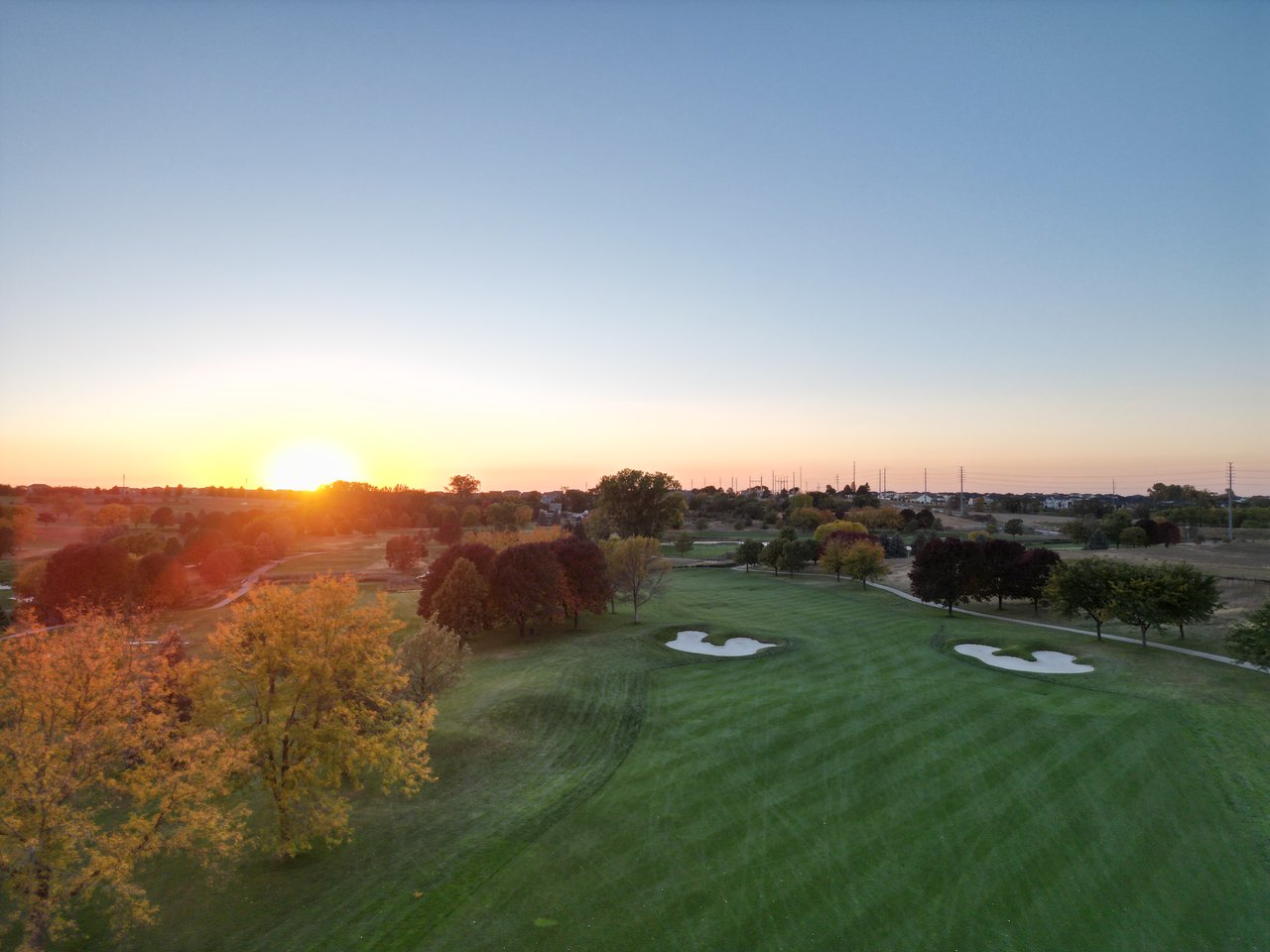
If you love the idea of living by the course, this location delivers. The neighborhood is directly next to the Indian Creek Golf Course, so be sure to factor views, privacy, and play patterns into your lot choice (course overview).
Golf-course views can command a premium. Study the plat map for building envelopes, setbacks, and easements, since these shape where your home, patio, and pool can sit. Your builder and architect will overlay your plan on the plat to confirm sightlines and usable yard space (review the plat).
Marketing highlights treed areas in parts of the community. Trees add privacy and character, but selective clearing, protection, or transplanting can affect budget and timeline. Ask for any tree-preservation rules and discuss site grading early so you can plan costs with eyes wide open.
Lot grade drives foundation design and whether a walkout basement is feasible. Request a recent site topography plan and a soils/geotechnical report before you finalize plans or remove contingencies. Industry guidance treats geotech testing and site prep as early mandatory steps for accurate pricing and a stable build schedule (why geotech comes first).
Lots in the initial release are marketed as city-served for water and sewer, which simplifies design and reduces risk versus private systems. Confirm exact hookup points, any tap or impact fees, and who pays them in your contract (builder utility reference).
Custom-lot communities often have architectural guidelines and an ARC review for exterior materials, roof slopes, driveway placement, fencing, and outbuildings. Request the recorded CC&Rs, design standards, and any fence or outbuilding rules in writing before you deposit. Start with the developer’s plat page and ask the listing agent for the full packet if it is not posted (request docs via plat page).
The community marketing lists Silverthorn Custom Homes and Landmark Performance Homes as associated custom builders. Some neighborhoods require you to choose from approved builders while others allow outside options subject to ARC approval. Confirm the rule set with the listing agent before you commit.
The typical path looks like this: select your lot, finalize plans and specs with your builder and architect, then submit for permits. Expect staged inspections during construction and a final certificate of occupancy before you move in. Local builders outline the process and help manage permitting, though exact review times vary by jurisdiction and plan completeness (typical building process overview).
Pre-construction for plans, selections, and permits often adds 1 to 3 months before excavation. From groundbreaking, modest custom designs commonly run about 9 to 12 months. Larger luxury builds with complex finishes often take 12 to 18 months or more, depending on design scope and weather (timeline guidance).
Most custom builds use a sequence that differs from a resale purchase. You may finance the lot, then close on a construction loan, and finally convert to a permanent mortgage. One-time-close construction-to-perm loans are popular because you close once and lock the end loan early, but they still require thorough documentation and an approved builder (construction loan basics).
Construction loans fund in draws tied to milestones such as foundation, framing, rough-ins, interior finishes, and completion. You typically pay interest only on the amounts drawn during construction, then switch to principal and interest at conversion. Be prepared for stronger credit, larger down payments, builder credential checks, and lender inspections throughout the build.
Lot reservations often include deadlines and deposit rules. Keep your deposit refundable until key boxes are checked: clear title and easements, satisfactory soils results, financing approval, and ARC/design approval. Ask a real estate attorney to review your lot and build contracts. Community contacts listed on the official site can confirm the correct forms and any unique requirements (community contacts and plat).
Recommended contingencies include:
Initial inquiry and lot hold, days to weeks. Review the plat, confirm availability, and verify which builders can build on your preferred lots (start with the plat).
Due diligence before deposit, 1 to 2 weeks. Request the recorded plat, CC&Rs, ARC rules, utility maps, and a preliminary title report.
Lot reservation and pre-qualification, days. Sign a reservation with clear refund windows and get pre-qualified for a construction-to-perm loan if you are not paying cash (financing overview).
Design and budget, 4 to 12 weeks. Finalize plans, selections, and a fixed-price contract. Complete soils testing and the site plan to lock pricing (why early geotech matters).
Permitting and utility approvals, 4 to 12+ weeks. Your builder typically manages submission and tracking, but confirm who pays fees and how utility connections are scheduled (process snapshot).
Construction, about 9 to 18+ months. Milestones include foundation, framing, rough-ins, drywall, finishes, inspections, and punch list (timeline ranges).
Conversion and move-in, days to weeks. The lender completes the final inspection and appraisal, then converts to your permanent mortgage. Ask your lender to project post-completion taxes and escrow.
When you are ready to walk lots, gather documents, or compare builders, the team that lives this market every day is here to help. Reach out to the Ralph Marasco Real Estate Group to get local guidance tailored to your goals in Indian Creek Preserve.
Real Estate
A location that can't be replicated.
When you list your home with Nico, you get Omaha’s top real estate agent working for you. No giant team to hide behind. You hire Nico, you get Nico!
RALPH MARASCO REAL ESTATE GROUP
Nico Marasco
331 Village Pointe Plz
Omaha NE 68118