Living in Papillion NE: Homes, Parks, and Commutes
May 14, 2026
May 14, 2026
Wondering what day-to-day life in Papillion really feels like? If you are comparing Omaha-area suburbs, it helps to look beyond a home’s square footage and think about how you will live there every week. From housing styles and park access to shopping, events, and the daily drive, here’s what you should know about everyday living in Papillion before you make a move.
Papillion offers a suburban setting with a strong owner-occupied feel. According to U.S. Census QuickFacts, the city has about 25,000 residents, a 73.9% owner-occupied housing rate, a median household income of $111,679, and a median owner-occupied home value of $311,000.
Those numbers suggest a market that feels more settled than renter-heavy. For many buyers, that creates a sense of stability and long-term investment without moving far from Omaha.
Compared with nearby La Vista and Omaha, Papillion stands out for higher owner occupancy and higher median home values. La Vista’s owner-occupied rate is 51.6% with a median owner-occupied value of $260,900, while Omaha’s owner-occupied rate is 57.4% with a median value of $245,500.
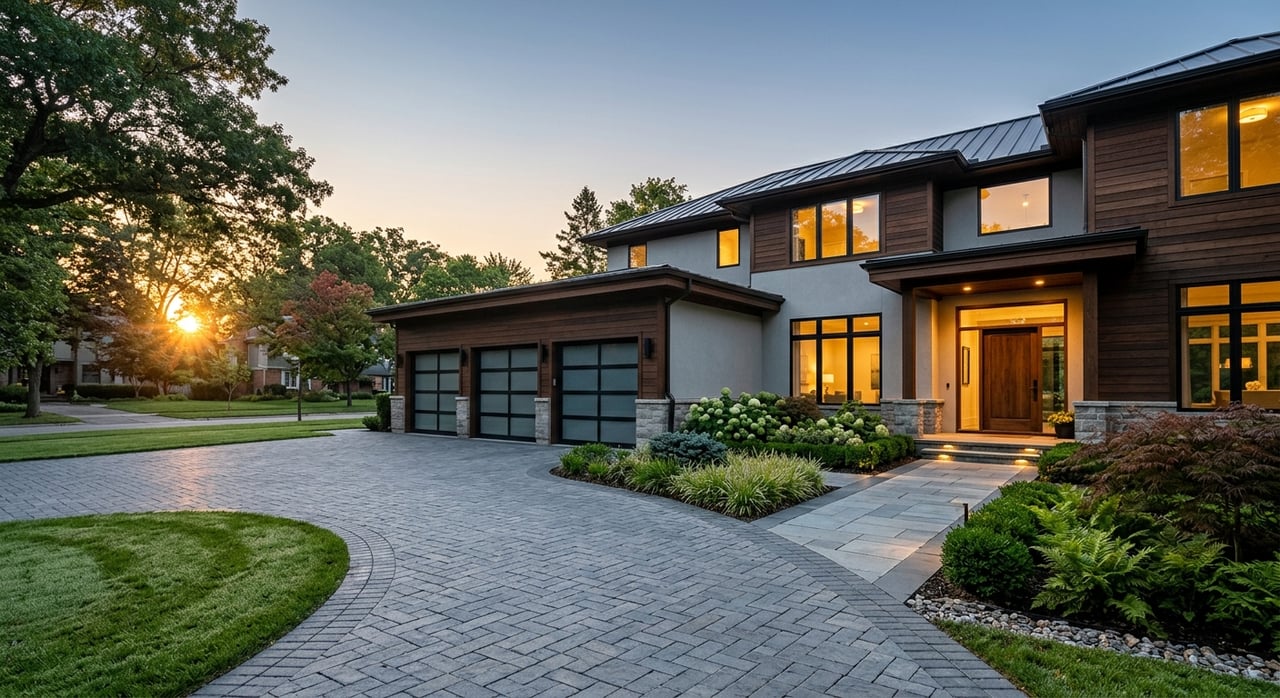
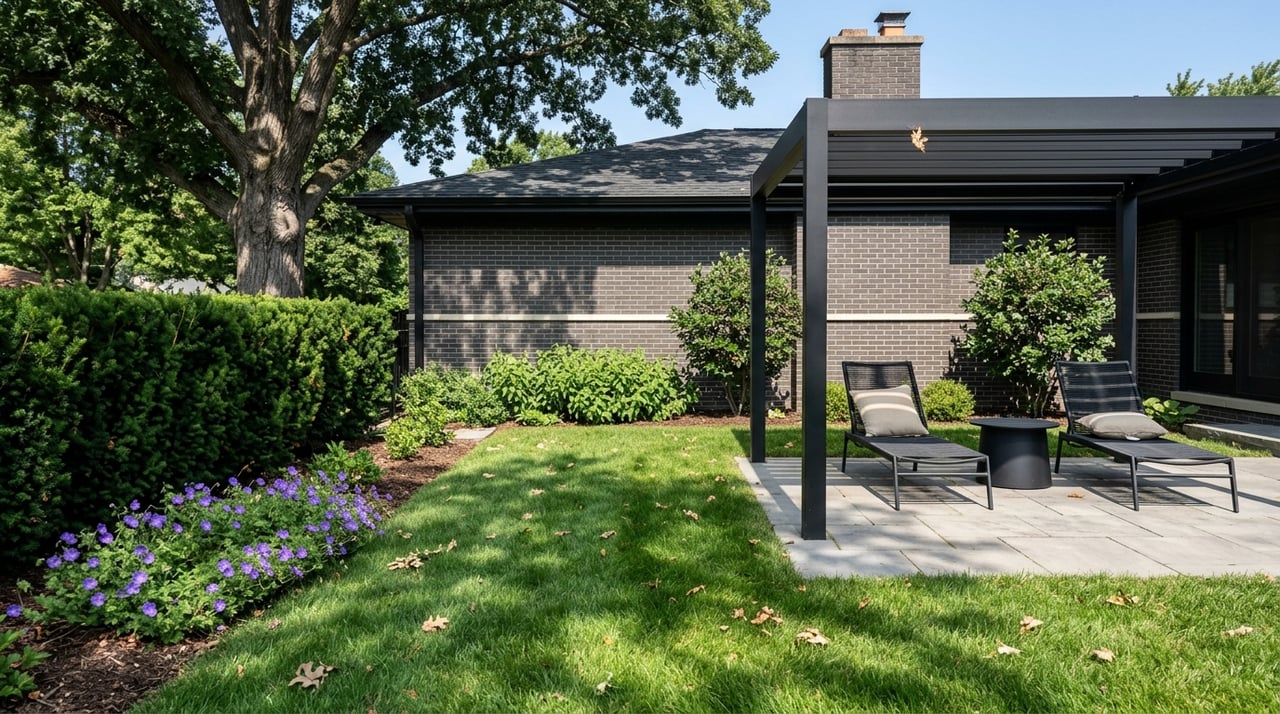
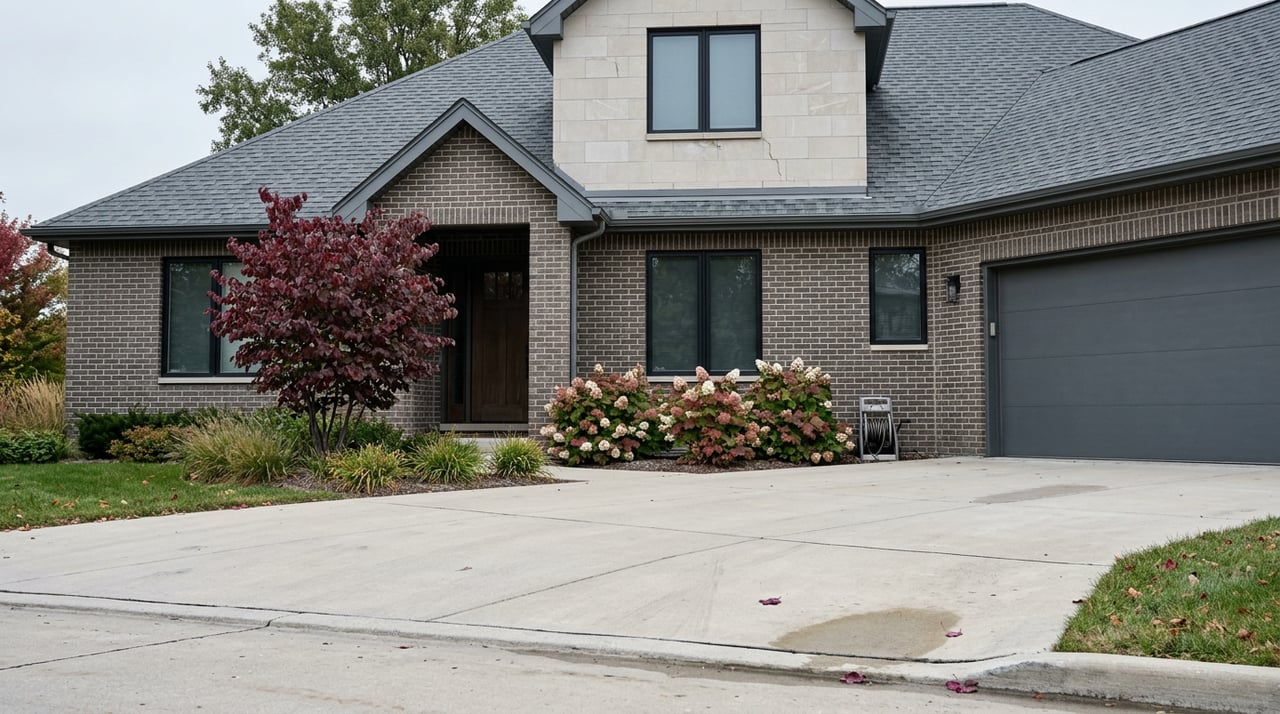
Papillion’s housing stock is mostly shaped by low-density single-family detached homes. The city’s comprehensive plan describes this as the staple of the local housing supply, often built in subdivisions with a unified street pattern.
In practical terms, that means many parts of Papillion feel classically suburban. You will find neighborhoods with detached homes, organized street layouts, and a residential rhythm that appeals to buyers looking for more space and a quieter setting.
That said, Papillion is not limited to one housing type. The city also identifies medium-density options like duplexes, townhomes, and villas, along with higher-density options such as apartments, condominiums, and senior-living buildings near major activity centers and primary streets.
This mix gives buyers more flexibility. If you want a detached home with a more traditional suburban feel, Papillion has that. If you want lower-maintenance living or a property closer to busier corridors and mixed-use areas, you can find that too.
Papillion’s comprehensive plan outlines six residential contexts: estate, low-density urban, medium-density, high-density, mixed-density, and mixed-use residential. That framework helps explain why one part of the city may feel calm and spread out while another has a more connected, corridor-based feel.
For you as a buyer, that means it is worth looking closely at each area instead of assuming the entire city feels the same. Papillion has an overall suburban identity, but the lifestyle can vary depending on the neighborhood pattern and nearby amenities.
One of Papillion’s strongest lifestyle advantages is its park system and recreation mix. If outdoor time matters to you, this is one of the city’s biggest everyday perks.
City Park is a 6-acre downtown park that hosts major community events like Papillion Days each June and the Papillion Farmers Market in summer. That gives the downtown area a built-in gathering place and a seasonal routine many residents enjoy.
Halleck Park adds a different kind of outdoor experience. With 70 acres of parkland, an arboretum, a stocked lake, trails, and athletic space, it gives you room for walks, casual recreation, and time outside without going far.
Prairie Queen Recreation Area is even larger and offers one of the biggest recreational draws in the area. It includes 335 acres, 135 surface acres of water, a 4-mile trail loop, fishing, no-wake boating, an 18-hole disc golf course, and pickleball courts.
Papillion also offers a strong indoor and organized recreation presence. Papillion Landing includes a 96,000-square-foot recreation center, a 23,000-square-foot community center, an 81,000-square-foot field house, and a 25-acre outdoor complex.
The city also highlights Papio Bay Aquatic Center, three splash pads, the Papillion Race Series, four Heartland Bike Share stations, and a downtown walking tour. Together, these amenities make it easier to stay active close to home.
If you enjoy entertainment and errands close by, Papillion also has several established destinations. The city points to Shadow Lake Towne Center, Midlands Place, and downtown Papillion as major shopping and dining anchors, while SumTur Amphitheater serves as a major outdoor performance venue in the Omaha metro.
A big part of everyday living is whether a place feels active and connected throughout the year. Papillion has a recurring calendar of events that helps reinforce that local identity.
Papillion Days takes place on Father’s Day weekend, and Winter Wonderland is held on the Saturday after Thanksgiving. These annual events help create familiar traditions for residents and give the city a small-town community feel within the larger metro area.
For many buyers, this matters more than they expect. It is one thing to move to a suburb with homes and roads. It is another to move somewhere with regular events, shared spaces, and reasons to get out and enjoy the city.
Papillion’s commute pattern is largely road-based. The city’s comprehensive plan identifies Highway 370 as a major east-west expressway corridor and a key entrance from Interstate 80.
The plan also highlights 72nd, 84th, 96th, 108th, and 126th Streets as major parts of the arterial network. In day-to-day terms, that means most residents rely on major roads and corridor access to move around Papillion and connect to the rest of the Omaha metro.
If you commute into Omaha, this matters. Papillion is not defined by a transit-first layout, so your route and drive times will depend heavily on where you live in the city and which corridor you use most often.
While Papillion is primarily auto-oriented, it does offer a few targeted alternatives. The city has four Heartland Bike Share stations that connect to the broader metro network.
Papillion also provides a Special Services Bus with on-demand trips for seniors and disabled adults, including medical trips to Omaha and Bellevue. These are not citywide commute systems for every resident, but they do add flexibility for some households.
If you are choosing between Papillion, La Vista, and Omaha, Papillion often lands in a useful middle ground. It offers a suburban homeownership feel with higher owner occupancy and somewhat higher housing values than both nearby cities.
That can appeal to buyers who want more of an established residential setting while staying connected to metro jobs, shopping, and recreation. Papillion’s mix of detached housing, varied recreation options, and corridor access gives it a balanced profile for move-up buyers, relocating professionals, and households looking for a stable suburban setting.
Papillion may be a strong fit if you want a city where daily life feels practical and comfortable. You can find mostly detached suburban housing, access parks and trails without a long drive, run errands at established shopping areas, and stay connected to Omaha through major road corridors.
It may also appeal to you if community events and recreation matter as much as the home itself. Papillion combines residential stability with active public spaces, which is a big reason many buyers keep it on their shortlist.
Whether you are buying your first move-up home, relocating within the Omaha area, or preparing to sell and move to your next property, understanding how a city lives day to day can help you make a smarter decision.
If you are thinking about buying or selling in Papillion or anywhere in the Omaha metro, Ralph Marasco Real Estate Group can help you evaluate neighborhoods, compare home options, and move with confidence.
When you list your home with Nico, you get Omaha’s top real estate agent working for you. No giant team to hide behind. You hire Nico, you get Nico!
RALPH MARASCO REAL ESTATE GROUP
Nico Marasco
331 Village Pointe Plz
Omaha NE 68118